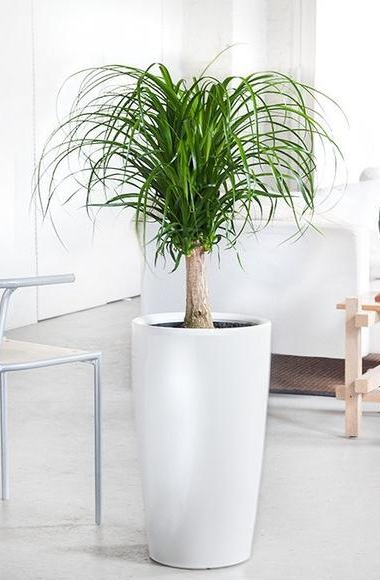
Some people find keeping indoor plants intimidating. With these 4 simple rules you will find it far easier to care for your new green babies. Start with one or two plants and when you feel you have the hang of it, add a few more and start experimenting!
1) WATER. Most people often “kill their plants with kindness”. In other words they water them too much! Each plant you buy will have a slightly different condition it needs to thrive in. The amount of water it needs is number one! Despite what you may think, many plants (if any) need to be watered every day. Many are happy being watered once a week, some, once a month. It all depends on where they are placed in your home (near a heater, a bright window or perhaps a dark corner) and it will also depend on the season – typically in the summer months plants will need watering a little more often.
A sure fire way to know whether your plant needs water is to use what I call…The Finger Trick! Put simply, insert your index finger into the soil, up to about the first joint, and feel for moisture. If the soil is dry, give the plant a nice drenching with water (making sure it drains thoroughly), but if it is still damp, leave for another week or so befor watering. Simple!
2) DRAINAGE. All plants need proper drainage (unless they are water plants). I liken the need for drainage of plants to as if a human were to sit in the bath for a day. How would you feel? Not nice right? It is the same with plants – they need their roots to dry out between watering to avoid root rot and promote growth. If you have a saucer under your plant and it is sitting in drainage water for more than a day or two, tip the water out and use tip number 1 to know when to water next.
Always choose pots that have drainage hole/s. If you buy an ornamental pot that has no hole, I strongly recommend finding a plant in a plastic, nursery container that fits snuggly into the pot. You can then take it in and out to water. If you cant find a plastic pot that fits exactly, you can either cut the top of the plastic down to size, prop it using rocks or Styrofoam or drill a drainage hole in the bottom ( the later being something I am not that comfortable doing as I am scared I will break my pretty new purchase).
3) LIGHT. Lets face it. No plant is actually designed to be an “indoor plant”. Plants live in nature in so many different climates and conditions, but plants chosen for placement indoors are typically plants that require indirect or filtered light. There are a few plants (Mother-in-Laws Tongue or Zanzibar for example) that can survive in very low light, but most prefer sitting on a shelf, bench or stand near a window (be careful not to let the blazing sun shine directly on most as it may burn their leaves – think of a plant in a lovely lush rainforest, sheltered underneath the canopy).
I also find rotating plants to different positions in the home also helpful. If you notice a plant looks a little limp, it may need a cooler or more humid spot in the house (the bathroom is a great spot for plants that need humidity), if a plant has leaves that look scorched or brown in the middle, move them away from the direct light source as they may be burning. (Note – browning on the tips of the leaves usually means a drainage issue). Rotating plants helps them as they receive varing degrees of light and air which help with growth.
4) LOVE. This is my favourite tip. When you go to buy a plant, be prepared to care for it as you would a pet. You can not simply buy and forget! Life can be busy and hectic, but I find the process of inspecting my plants a really therapeutic practise. I observe how their leaves look – perky and full or limp and dehydrated? Browning tips or any yellow or brown discoloration? The presences of pests (this will be discussed in later blogs) or thick full growth?
By paying attention to what your plants look like, cutting back any old, brown dying leaves, wiping dusty leaves down with a damp cloth, misting them with water in a spray bottle or even putting them in the shower for a good soak to enjoy the humidity for a few hours, you will grow a plant that you love, but that also loves you back! Its all about green love baby! (Google is a great tool to use when searching for answers to signs and symptoms of problems with your plants. Even joining a Facebook group to ask questions is a fabulous step to caring for you green babies).
 Luscious Greenery